September 10, 2026

There is a moment that most people have experienced but never questioned. You wash your face, rinse, pat dry; and your skin feels tight. Squeaky clean. Almost uncomfortable.
We’ve been taught to read that feeling as success. As proof that something worked.
It isn’t. That tightness is your skin telling you something has gone wrong.
In this post, I want to talk about oil cleansing. What it is, why the science behind it is more compelling than almost anything else in skincare, and why it might be the single most important change you can make to your routine. Regardless of your skin type. Regardless of how oily, congested, or troubled your skin has been.
What is the Oil Cleansing Method?
Oil cleansing is exactly what it sounds like. Using an oil-based cleanser rather than a foaming, gel, or water-based one to remove makeup, sunscreen, excess sebum, and daily impurities from the skin.
The science behind it is simple: like dissolves like. Oil-based substances on your skin, sebum, SPF, makeup, dissolve readily in oil but resist water-based cleansers. By massaging oil onto dry skin, you dissolve these impurities without the harsh surfactants that strip the skin barrier.
In other words: oil removes oil. Gently, effectively, and without collateral damage.
The Problem with Most Cleansers
To understand why oil cleansing matters, you first need to understand what most cleansers are actually doing to your skin.
Most people assume stronger cleansing is better. But dermatology research shows the opposite. When you use harsh cleansers, they strip away not just dirt and excess oil, but also the protective lipids your skin genuinely needs. This triggers a harmful cascade: your skin feels tight, so it compensates by producing more sebum to restore balance. This is why people with oily skin often end up with more oiliness after using harsh products.
This is the cycle that most of us have been living in without realising it. Harsh cleanser strips the skin. Skin overproduces oil to compensate. We reach for a stronger cleanser. The barrier gets weaker. The skin gets oilier, or drier, or more reactive. We buy more products to fix the problems those products created.
Studies on traditional surfactant-based cleansers consistently show that harsher formulas interact with skin proteins and lipids in ways that increase transepidermal water loss; the rate at which water evaporates from the skin’s surface. Higher transepidermal water loss means dryer, more vulnerable, more reactive skin. And yet we continue washing with products designed to create exactly that outcome.
The real goal of cleansing isn’t to remove all oil but rather to remove impurities whilst preserving your skin’s protective barrier.
Oil cleansing does exactly that.
What the Science Actually Says
The evidence for oil cleansing is more substantive than many people realise.
In a pragmatic clinical trial comparing oil-based cleansing with conventional non-oil cleansers over four weeks, participants using the oil cleanser showed measurably lower transepidermal water loss and higher stratum corneum hydration than those using non-oil products. In practical terms, skin held onto more moisture and the barrier functioned better.
Oil cleansing also leaves the good bacteria and microbes on the skin, which can help prevent imbalance – something that traditional facial cleansers, which strip both good and bad bacteria, cannot claim.
Oil Cleansing Works for Every Skin Type
This is the part that surprises most people. Oil cleansing is not just for dry skin. It is not counterintuitive for oily skin but actually one of the most effective things oily skin can do.
Oil cleansing can benefit every skin type including oily and acne-prone skin, where it regulates sebum and prevents overproduction of oil and helps clear congested pores. For dry and dehydrated skin it locks in moisture and prevents further dehydration. For sensitive skin it soothes irritation and eliminates the need for harsh foaming cleansers. For combination skin it hydrates dry areas while keeping oily zones balanced.
One of the surprising benefits of oil cleansing is its ability to regulate sebum production. By incorporating natural oils into your routine, you signal to your skin that it doesn’t need to overproduce oil to compensate for harsh cleansers.
The skin that has been stripped and is producing excess oil in response is not inherently oily skin. It is stressed skin. Oil cleansing addresses the cause rather than compounding the problem.

The Double Cleanse, and When to Use It
For those who wear makeup or SPF daily, a double cleanse is one of the most effective approaches to truly clean skin.
The first cleanse uses an oil cleanser to dissolve and lift oil-based impurities: sunscreen, makeup, sebum, pollution. The second cleanse uses a gentler balm or milk cleanser to remove any remaining water-based impurities and leave the skin perfectly prepped for the rest of your routine.
This is not about cleansing twice as harshly. It is about using the right tool for each layer of what needs to be removed.
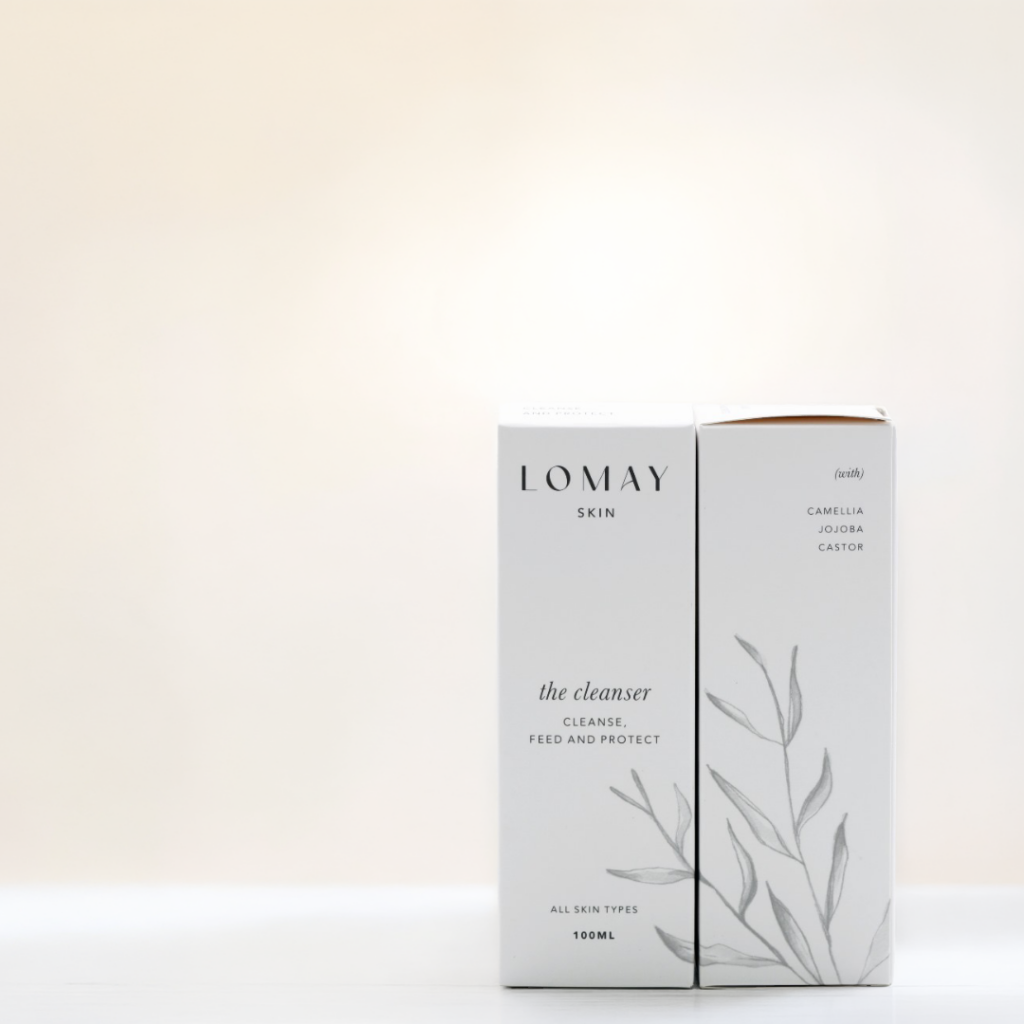
At Lomay Skin, we have two cleansers that work in perfect partnership for exactly this approach.
Our Approach to Oil Cleansing
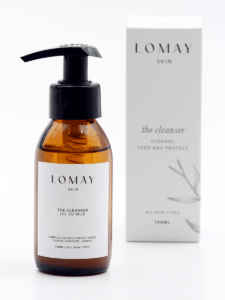
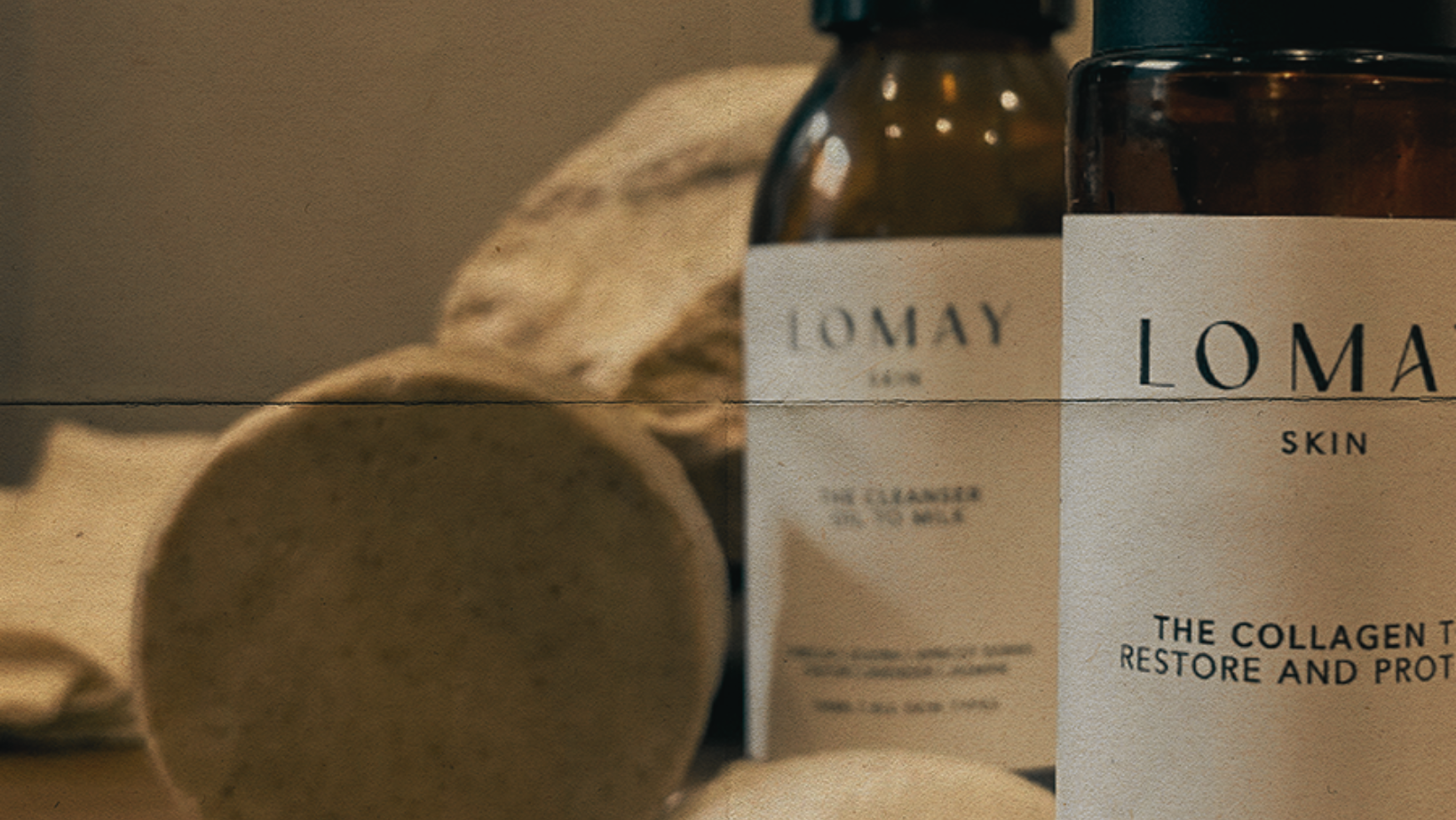
The Cleanser
This is our original oil cleanser — a golden, silky blend that melts onto dry skin and dissolves everything it meets. Makeup, sunscreen, the quiet accumulation of the day. Add water and it emulsifies, rinsing cleanly and completely without leaving any oily residue behind.
It is built on a base of skin-compatible botanical oils that work with your skin’s own lipid structure rather than against it. The result is skin that feels clean — genuinely clean — without a trace of tightness or dryness. Just a comfortable, balanced canvas for everything that follows.
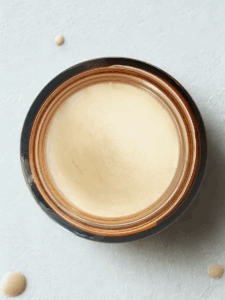
Olive & Oat | Balm-to-Milk Cleanser
Where The Cleanser is your daily workhorse, the Olive & Oat is your evening indulgence. A balm that melts into a milk the moment it meets your skin — rich with colloidal oats, olive oil, kaolin clay, and sweet almond oil — it is the second cleanse that your skin didn’t know it needed.
The colloidal oats bring a natural anti-inflammatory warmth that calms reactive and sensitive skin on contact. The kaolin clay draws any remaining impurities gently from the pores. The olive oil and sweet almond oil leave a conditioning veil that makes your skin feel like it has been nourished, not just washed.
It also happens to smell like warm oats and comfort, which makes it one of the most sensory cleansing experiences we know.
How to Oil Cleanse — The Right Way
The method matters. Here is exactly how to do it:
Step 1: Start with clean dry hands and a dry face. Never wet your skin before applying an oil cleanser. Water creates a barrier between the oil and the impurities on your skin, defeating the purpose entirely.
Step 2: Apply a generous amount. Pump the cleanser into your palm and press it gently onto dry skin. It should cover your entire face including your forehead, nose, cheeks, and chin.
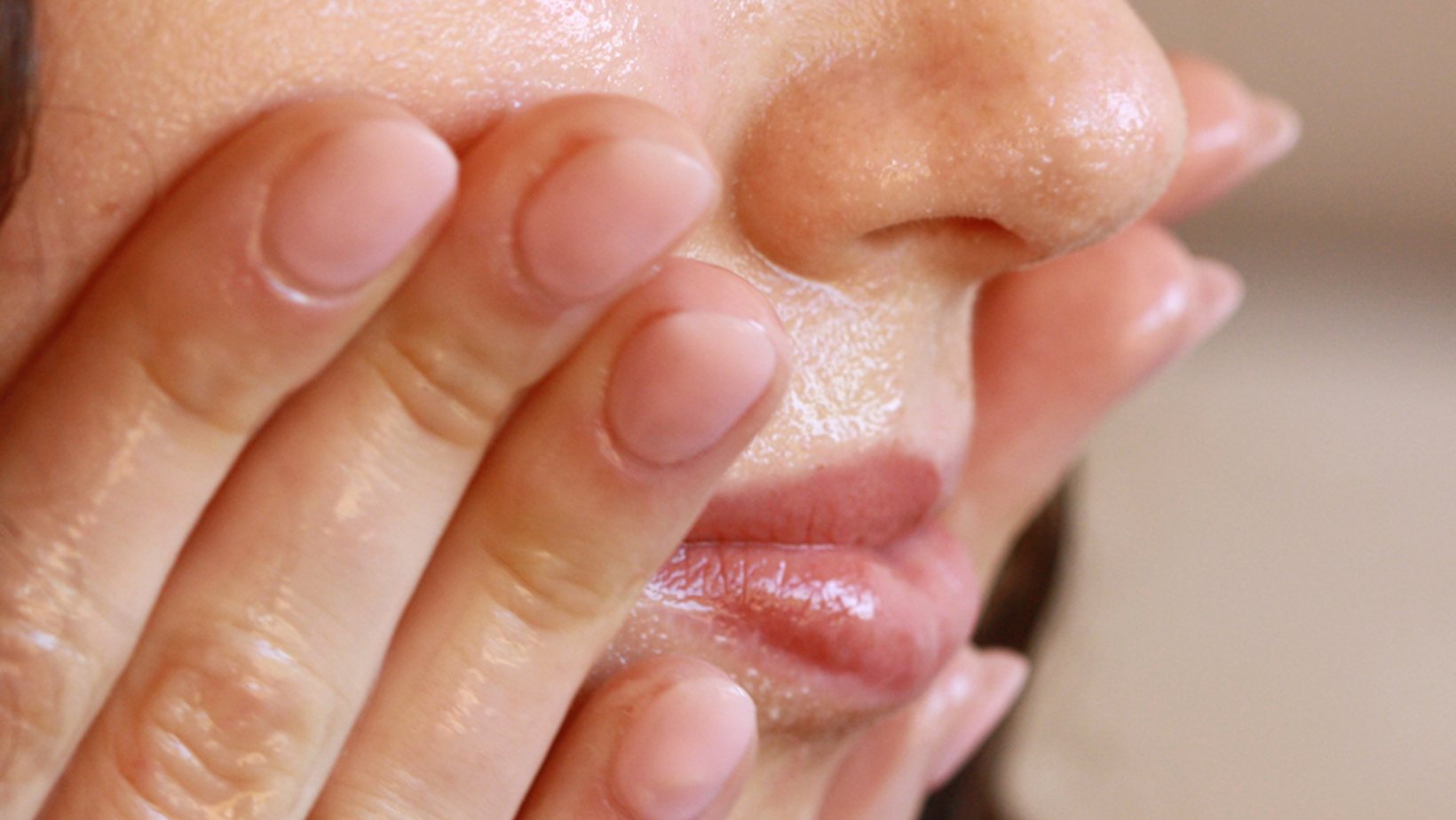
Step 3: Massage for 60 seconds. Use slow, circular motions to work the cleanser across your face. This is the step most people rush – and it is the most important. The massage is what loosens makeup, sunscreen, and sebum from the pores and allows the oil to do its work. Take your time.
Step 4: Add water to emulsify. Wet your hands slightly and bring them back to your face. The cleanser will begin to turn milky – this is the emulsification process. Massage for another 10–15 seconds as the oil transforms and lifts everything to the surface.
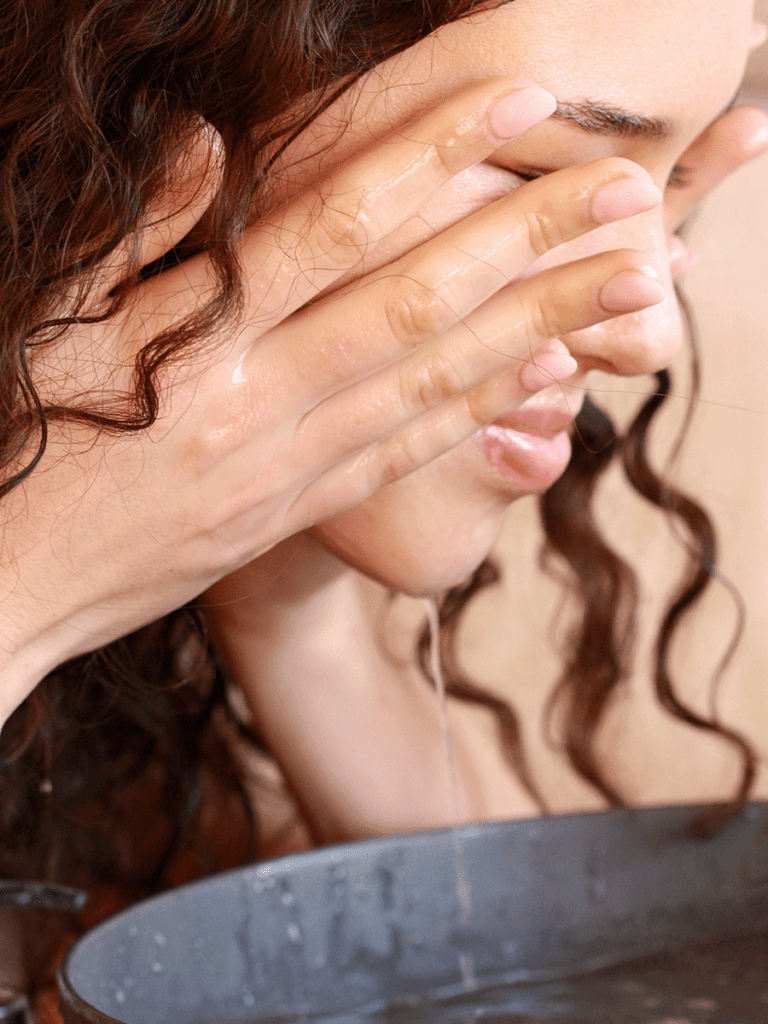
Step 5: Rinse thoroughly. Rinse with lukewarm water, not hot, which strips the skin, and not cold, which doesn’t fully remove the cleanser. Pat dry gently with a clean cloth.
Step 6: Double cleanse if needed. On evenings when you’ve worn heavy makeup or SPF, follow with the Olive & Oat Balm-to-Milk Cleanser as your second cleanse for a completely fresh, comfortable finish.

What to Expect When You Switch
If you are switching from a conventional foaming or gel cleanser, the first week can feel different. Not uncomfortable, just different. Your skin may feel softer than you’re used to. Less tight. Perhaps slightly more dewy in the mornings as your barrier begins to repair and your sebum production begins to normalise.
Expected results include improved hydration within 2 to 4 weeks, reduced tightness and flaking, and better resilience to environmental irritants.
Give it three to four weeks before forming a judgment. Skin that has been stripped for years does not repair itself overnight. But it will repair itself. And, when it does, the difference is one you will feel every single morning.
Oil cleansing is not a trend. It is a return to how skin was always meant to be treated. Gently, respectfully, and with an understanding of its biology rather than in spite of it.
Ready to begin? Start with The Cleanser as your daily oil cleanser, and introduce the Olive & Oat Balm-to-Milk Cleanser as your evening second cleanse. If you’re unsure where to start, the Discovery Set includes minis of both alongside our full flagship range.
Have questions? We love this conversation. Reach us at leani@lomayskin.com or on Instagram @lomayskin.
1345
Related Posts
July 15, 2026