September 10, 2026

There is something ancient about candlelight. Long before electricity, before paraffin, before the modern candle industry turned fragrance into a billion-dollar market, people burned beeswax. In churches, in homes, in the quiet hours between dusk and sleep.
I didn’t choose beeswax for The Ember Candle because it’s trendy. I chose it because, once I understood what beeswax actually is and how it behaves, nothing else made sense.
This post is everything we know about beeswax candles‚ the science, the benefits, the honest truths, and a few practical tips for getting the most out of yours.
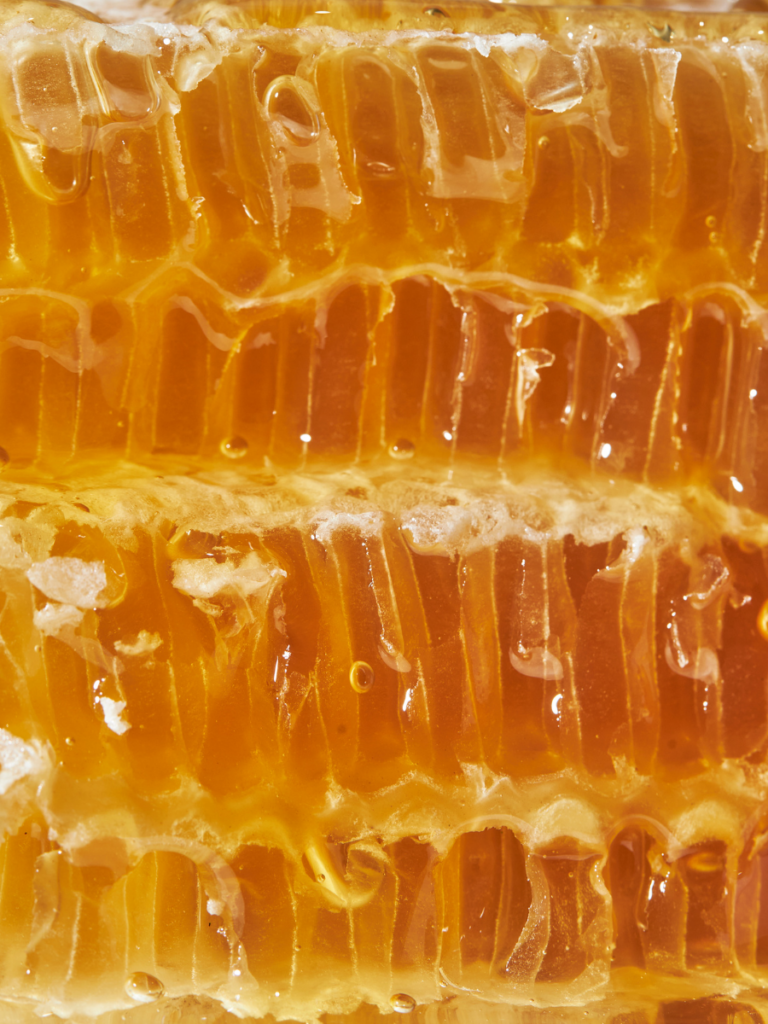
Beeswax is a natural wax produced by honeybees. Worker bees secrete it from glands on their abdomens and use it to build the honeycomb cells where honey is stored and larvae are raised.
Raw beeswax is typically yellow to golden brown in colour, depending on the flowers the bees have been foraging on. It carries a warm, subtle honey scent, not sweet in a synthetic way, but naturally warm and slightly floral. This is entirely its own, requiring no added fragrance to make a room feel beautiful.
When beeswax is processed for use in candles, it may be filtered to varying degrees. Unfiltered or minimally processed beeswax retains the most colour and scent. Highly filtered beeswax becomes lighter or even white. At Lomay Skin, I use beeswax in its more natural state‚ because that gentle honey warmth is exactly the point.
Why beeswax burns differently to other waxes;
Walk into any supermarket and the vast majority of candles you’ll find are made from paraffin wax. Paraffin is a byproduct of petroleum refining‚ it’s inexpensive, easy to work with, and holds synthetic fragrance well. It is also, when burned, releasing what it was made from.
Beeswax is different at a fundamental level. Here is what actually sets it apart:
1. It has the highest melting point of any natural wax. Beeswax melts at around 62’C, compared to paraffin at 46’C (depending on grade) and soy wax at around 49’C. This higher melting point means beeswax burns more slowly and steadily‚ which is why beeswax candles are known for their exceptionally long burn times.
2. It burns cleaner. Beeswax produces very little soot when burned correctly with a well-trimmed wick. Paraffin candles, particularly heavily fragranced ones, can release black soot that settles on walls, ceilings, and soft furnishings over time. If you’ve ever noticed dark marks around a candle or on the wall above one, paraffin soot is usually the culprit.
3. It emits negative ions when burning. This is one of beeswax’s most talked-about properties. Burning beeswax releases negative ions into the air, which can bind with positively charged particles like dust, pollen, and other airborne pollutants, helping them fall to the ground rather than remain suspended in the air. While research in this area is still developing, it’s one of the reasons beeswax has long been the candle of choice for people with sensitivities or allergies.
4. Its light is warm and full-spectrum. Beeswax burns at a colour temperature close to natural sunlight. This produces a particularly warm, golden light that feels softer on the eye than the cooler, bluish light of many paraffin candles.
Beeswax vs. soy wax vs. paraffin – an honest comparison;
We’re not here to alarm anyone about their existing candle collection. But if you’re choosing consciously, here is what each wax actually offers:
| Paraffin wax | Soy Wax | Beeswax |
| The most widely used candle wax in the world. Inexpensive, versatile, and excellent at holding synthetic fragrance. It is derived from petroleum and when burned, releases some of the same compounds found in diesel exhaust‚ though at low levels in a well-ventilated room. Not ideal for people with respiratory sensitivities or for use in small, enclosed spaces over long periods. | A popular “natural” alternative that became widespread in the 1990s. Soy wax burns cooler and slower than paraffin, and is a renewable resource. However, most commercial soy wax is heavily processed and derived from genetically modified crops. It also tends to require more synthetic fragrance to carry scent effectively. Better than paraffin, but not without its own considerations. | The most natural option available. A true gift from the hive, requiring no synthetic processing. It burns cleanly, slowly, and beautifully. It carries its own scent without any additives. The main considerations are cost. Beeswax is more expensive than both paraffin and soy‚ and the fact that it is an animal-derived product, making it unsuitable for those following a vegan lifestyle. |
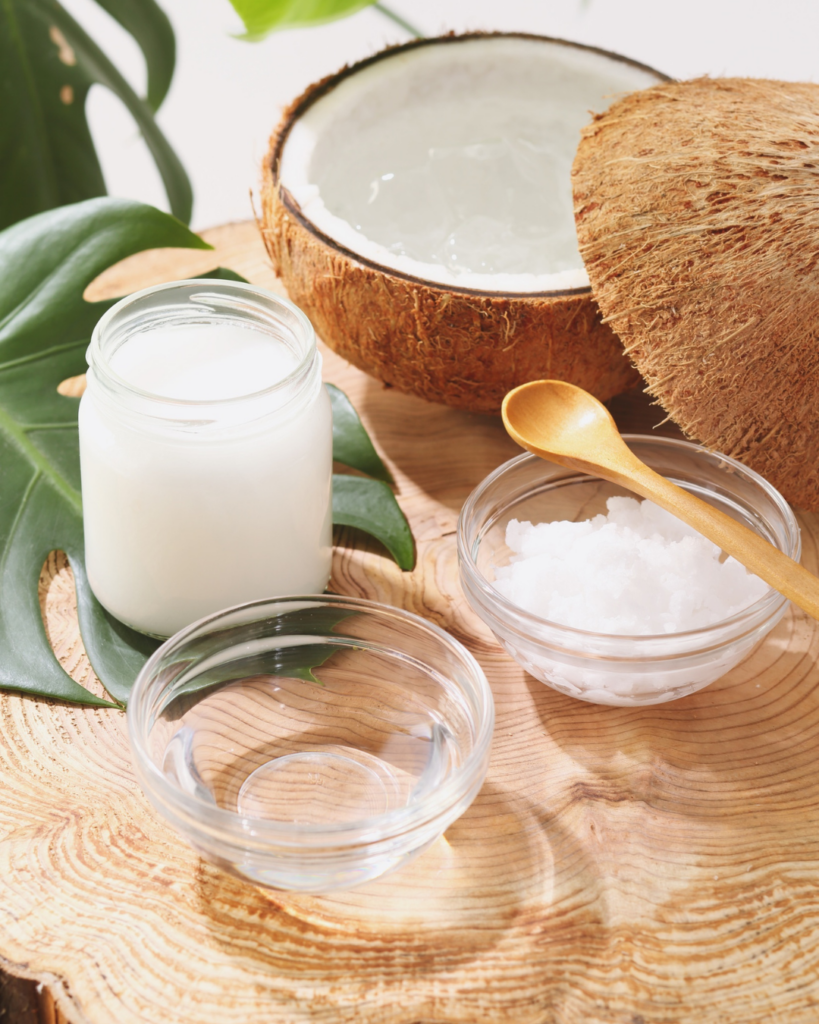
The role of coconut oil in my Ember Candle
Pure beeswax can be rigid and prone to slight cracking or separation from the glass vessel as it cools. Adding a small percentage of coconut oil softens the wax slightly, improves adhesion to the container, and produces a smoother, more even surface pour. It also contributes a fractionally lower melting point at the outer edges of the wax pool, which helps the candle achieve an even burn from the first use.
Coconut oil is itself a clean, natural oil with no synthetic additives. It doesn’t alter the scent of the beeswax, and it doesn’t change the fundamental burn quality. Think of it as a supporting ingredient present to help the star perform at its best.
How to get the most out of your beeswax candle
Beeswax candles reward a little attention. Here is how to burn yours well:
1. Trim your wick before every burn. A wick that is too long produces a larger, less controlled flame that burns through wax too quickly and can produce more soot. Before lighting, trim to approximately 5mm. Nail scissors work perfectly for this.
2. Let it burn to the edges on the first use. This is the most important rule of candle care. On the very first burn, allow the candle to burn long enough for the wax pool to reach the full diameter of the vessel‚ usually 2 – 3 hours for a candle of The Ember Candle’s size. If you extinguish it before this happens, the wax will “remember” that line and tunnel down the centre on every subsequent burn, leaving a ring of unburned wax around the edges and significantly reducing your burn time.
3. Keep it away from drafts. A flickering flame burns unevenly. Place your candle somewhere sheltered from windows, fans, and air conditioning vents. A steady flame is a more efficient flame.
4. Burn for no more than 4 hours at a time. This prevents the wick from becoming too long, the vessel from overheating, and the fragrance (in this case, the natural beeswax scent) from becoming overwhelming. Allow the wax to fully harden between burns.
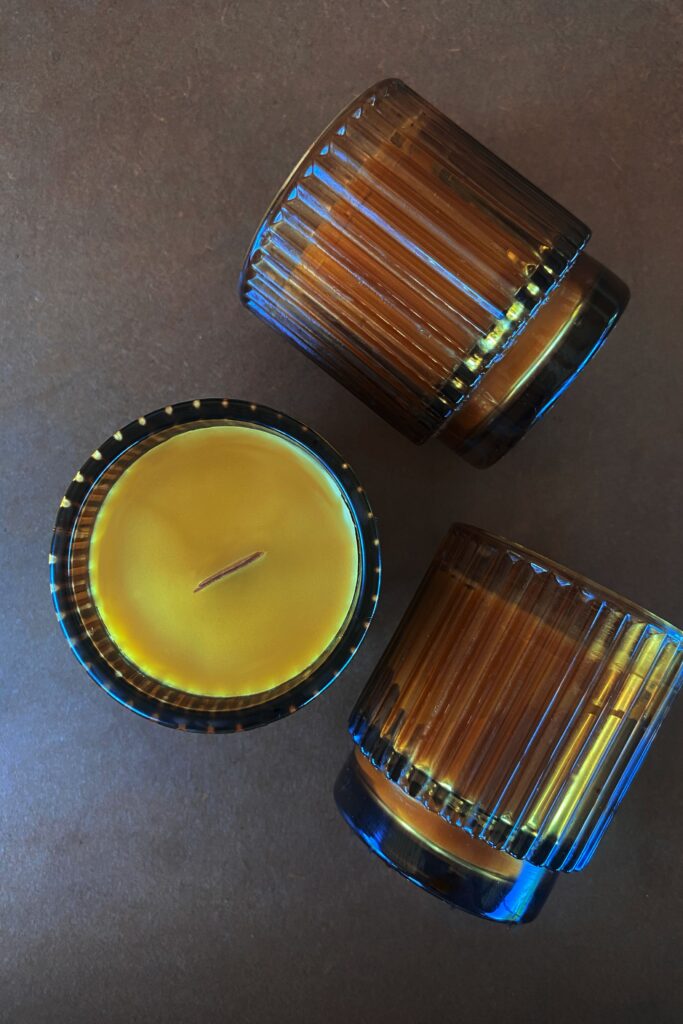
One of the things I hear most often from my community is that many of you struggle with synthetic fragrances. Headaches from heavily scented candles.
The Ember Candle was made with you in mind. I added no fragrance‚ not because I couldn’t, but because I chose not to. The scent it carries is entirely the beeswax itself: warm, faintly honeyed, quietly present. It will not compete with the smell of dinner, or make a small bathroom feel suffocating, or linger on soft furnishings long after the flame is out.
It simply makes a room feel a little warmer. And sometimes, that is exactly enough.
The Ember Candle is a limited seasonal offering, hand poured in small batches, and made with pure beeswax and a small amount of coconut oil. No synthetic fragrance. No paraffin. No shortcuts.
It burns for approximately 40+ hours.
When it’s gone, it’s gone until next season.
1379
Related Posts
July 15, 2026